
Name-Based Case Searches
Colorado Judicial sends people who want real-time trial-court data to commercial vendors. These include CoCourts and Background Information Services. Those services can search civil, water, small-claims, domestic, felony, misdemeanor, and traffic ROAs by name or number. Terms, interfaces, and prices shift over time. Start with the last name and first name. Then narrow the results to Adams County to cut down false matches. A common name can pull in unrelated cases. So check the court, number, class, and filing facts before opening anything.
- Choose a Judicial Branch-listed vendor and review its current access terms.
- Enter the party name with the most accurate spelling available.
- Filter the result to Adams County and the likely case type.
- Open a possible match and verify its number, caption, status, and division.
- Read the newest entries before treating any date or result as current.
| Field | Type | Required | Use |
|---|---|---|---|
| Name | Text | One key | Party-name discovery; spelling matters |
| Case number | Text | Alternative | Strongest exact identifier |
| County or court | Filter | Narrowing | Select Adams to avoid statewide matches |
| Date range | Vendor control | Optional | Use only if offered |
Adams County Docket Name Ambiguity
A common name can belong to more than one person or case. Before picking a result, pause. Compare the full caption, court location, filing year, case class, and party role. A middle name or initial helps. Still, never assume a similar name marks the right Adams County court record.
If two results still look plausible, use a number from an existing notice. Alternatively, request the clerk's documented $5 name search. The clerk can locate a court file. But you must describe the person and likely case with enough detail to spare needless digging.
The Judicial Branch also lists Background Information Services as a vendor channel for name-based discovery.
Its interface shows why a likely match needs checking. Confirm the case number, court, and caption before the record is put to use.
Adams County Real-Time Docket Vendors
The Judicial Branch points to vendors for real-time ROA data, but their output is not the official court record. CoCourts is one named route. Background Information Services is another. Both can help you find a case before contacting the Clerk of Court, Adams County Combined Courts / 17th Judicial District. Neither route is free, and neither stands in for the clerk when you need a filed image or certified copy. The CoCourts search service is one listed statewide vendor.
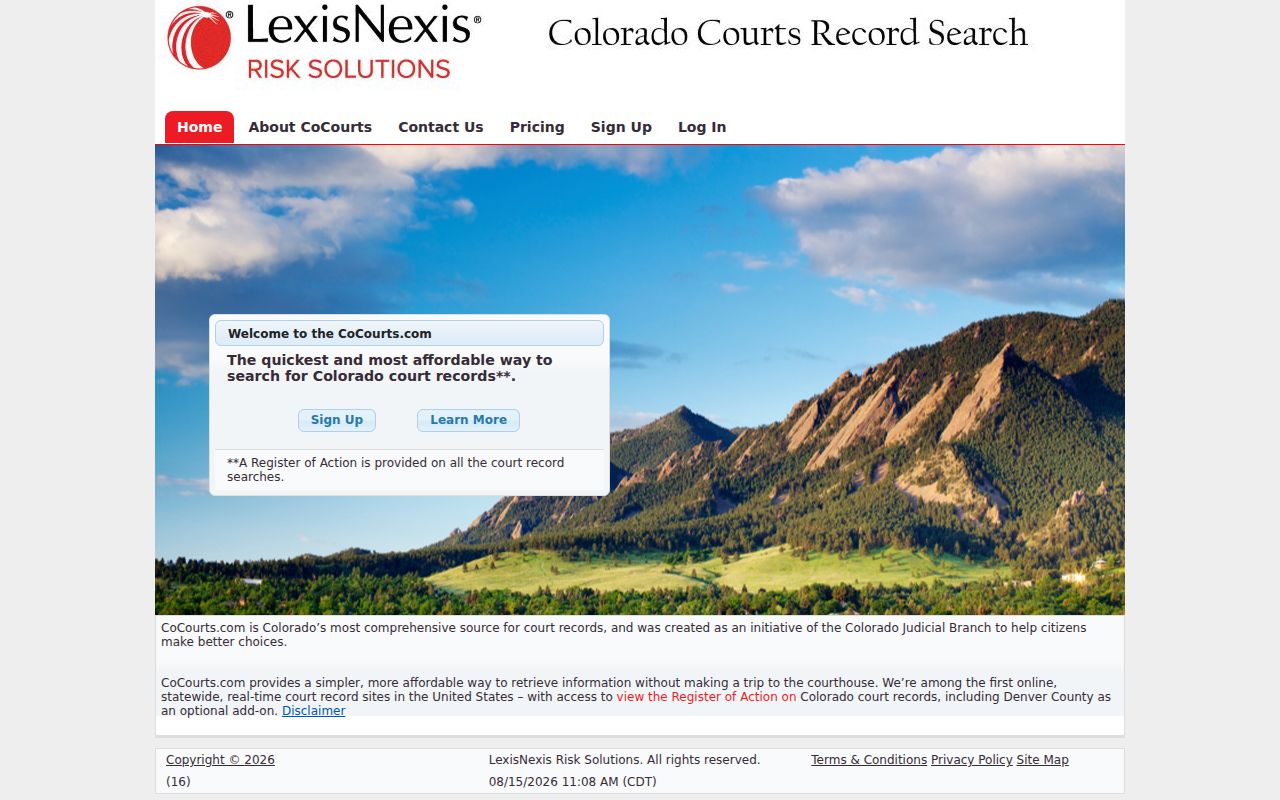
A result here can identify an Adams County case and its chronology. The underlying pleading or signed order, though, must come from the court.
Case Number Searches
An exact case number beats a common name almost every time. Colorado numbers usually carry a four-digit year, a case-class code, and a sequence. Consider the model 2026-CV-01234: 2026 is the year, CV the class, 01234 the sequence. Other Adams classes appear too. They include CR, M, T, C, S, DR, PR, and JV. Copy the real number exactly from a summons, pleading, notice, or order.
Class also routes the query. Felonies plus general-jurisdiction civil, probate, domestic, and juvenile matters go to Adams District Court. Adams County Court gets the rest. State misdemeanors, traffic, evictions, small claims, and qualifying civil matters generally land there. A municipal citation stays with its city clerk. Federal matters belong in federal court, not an Adams trial-court ROA search. County selection still matters. The 17th Judicial District covers both Adams and Broomfield. The two keep distinct case locations.
Adams County Docket Court Filters
Filtering by county does more work than it seems. Here is the catch. Adams County and Broomfield both sit in the 17th Judicial District, so a docket search that skips the county filter can pull cases from either place. Municipal courts layer their own city files on top of that. Choose Adams County and the right trial-court level. That filter cuts the false matches and explains why one case class can surface in more than one spot.
Which court should you pick? District Court is the seat for felony and general-jurisdiction matters. County Court carries its assigned load of misdemeanor, traffic, eviction, small-claims, and civil work. City-code cases go to the named municipal court. A party's address may point somewhere unexpected. Let the case number and the source notice settle the question.
Adams County Search Fallbacks
A missing result does not mean no case exists. First, retry with the exact number. Then ask why. Is the matter municipal, restricted, sealed, old, archived, or filed in a different county or court? The official estimate for a clerk name search is $5. Need an ROA or document? Use the official request form, email AdamsRecordRequest@judicial.state.co.us, call 303-659-1161, visit the clerk counter, or confirm mailing and payment instructions with the Justice Center.
- Check the issuing municipal court for a city-ordinance citation.
- Ask the clerk about archived or off-site retrieval.
- Request the ROA when the vendor shows no usable detail.
- Request a named filing when the result has no document image.
- Order certification when official proof is required.
Colorado Open Records Act requests cover many public administrative records. Court case files are different: they follow court access rules, chiefly CJD 05-01. Judicial Branch administrative records run through PAIRR Rule 2. A case-file request may go to the county Clerk & Recorder instead, or through a general county CORA channel. Either way, it never reaches the trial-court custodian.
Adams County Docket Off-Site Files
Old cases do not always sit near the clerk's counter. Some Adams County files sit in off-site storage. A vendor search runs on live data. It can miss what the clerk has archived away. The Adams request form plans for that. Retrieval costs actual cost, not a flat fee. When you order, give the clerk the full case number, the case type, a party name, and the exact document or date range you need. Ask for an estimate first. Narrow terms cut research and redaction time. The reply will say plainly whether the clerk can produce an ROA, a filed paper, or a certified copy of the court record.
Case Search Results Explained
An ROA result earns its keep when it names the court, case number, class, filing date, division, status, and caption, plus each party's role and any counsel of public record. Then comes the chronology of filings and court events. A criminal history adds charges, settings, pleas, dispositions, and sentence entries, while a civil history adds complaint, service, response, motions, settings, judgment, satisfaction, or appeal entries. Each entry proves an event was recorded. It does not tell you that every allegation inside a filing is true.
| Case number | Unique year, class, and sequence identifier. |
|---|---|
| Caption | Abbreviated title and party roles, not a statement of facts. |
| Division | The assigned Adams courtroom or judicial-officer unit. |
| Status | Open, active, closed, disposed, reopened, appealed, or restricted as shown. |
| Chronology | Dated filings, settings, minute orders, rulings, and later events. |
| Disposition | The recorded way a charge or case concluded. |
Read status against the newest entries. Closed does not end every obligation, a motion entry is not a ruling, and an old hearing date may simply have been reset.
Adams County Docket Images Boundary
Colorado Judicial hosts no downloadable trial-court document images for public name searches. Commercial sites sell history, not copies. The official file lives with the clerk. From it, clerk staff can supply an accessible pleading, order, judgment, disposition, or certified record. That gap explains the missing PDF button on a vendor docket. The official public-access explanation separates real-time vendor information from the documents the court itself holds.
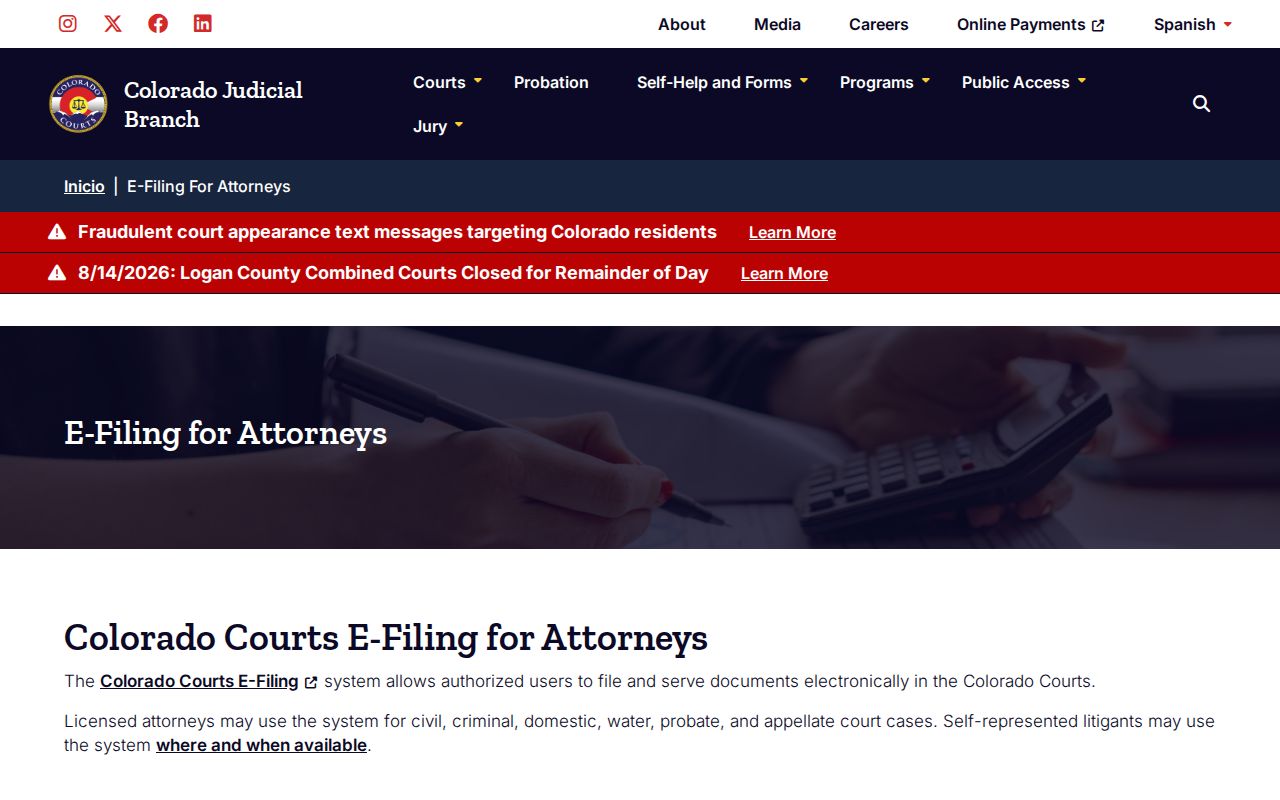
Find the case first. Then read the ROA and request the exact document from Adams Combined Courts, which holds the official court record.
ROA is an index: A vendor screen or printout is not a certified copy, even when it accurately reflects the case history.
Two Ways to Search: County and State
Colorado has statewide real-time vendor data. But there is no free Judicial Branch portal for searching trial-court dockets by name. The local layer is the Adams court itself. Use a vendor to discover a case across participating trial courts. Use the free Judicial docket calendar for hearings. Need the official ROA, filed documents, certification, or an older file? Any docket search that needs staff help goes to the combined-court clerk.
| Channel | Best use | Boundary |
|---|---|---|
| Listed statewide vendor | Name or number discovery and current ROA data | Commercial and not the certified record |
| Free Judicial calendar | Scheduled hearings in Adams County | Not the full case history |
| Adams clerk | Official ROA, filings, certification, and archive help | Request and copy fees may apply |
| Municipal clerk | City ordinance and municipal traffic cases | Separate from Adams Combined Courts |
Appeals live elsewhere. The Colorado Court of Appeals keeps a separate appellate docket, and a notice of appeal on the trial ROA does not merge the two court records.
Adams County CCE Search Boundary
CCE stands for Colorado Courts E-Filing, an authenticated system for filing and documents. It is not a free public docket portal. Under the September 2025 model, searching costs $0. Someone who did not file in a case pays $15 to view its case history, and that access stays open for 14 days. After the purchase, viewing documents is listed at $0, while covered e-filing and e-service transactions cost $12 each. The CCE login page marks the account boundary.
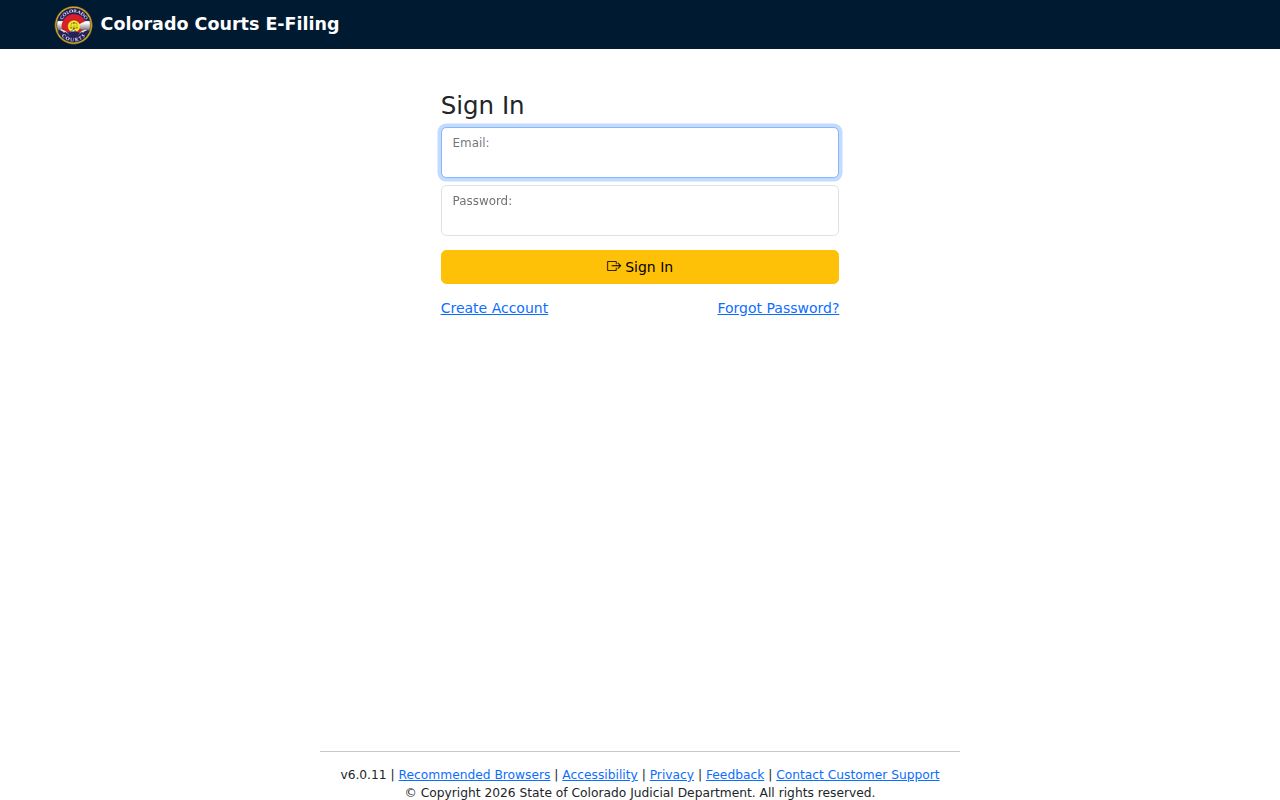
An authorized filer may find this route worth it. Do not confuse it with anonymous public access or a clerk-certified Adams County record. Prices can change. Before buying access, check the current Judicial pricing source instead of trusting an older statement.
Which Cases Stay Restricted
CJD 05-01 governs public access to Colorado court records. It treats remote access and courthouse access differently. Some information appears only at a court facility. Sealed or expunged cases stay restricted. So do individual sealed documents. Juvenile delinquency, dependency and neglect, adoption, paternity, mental-health, judicial-bypass, and truancy material also stay restricted under the controlling law or order. Protected identifiers and sensitive reports are withheld or redacted as well. The Judicial Branch sealed-case tool is narrow. Only a defendant may use it. The tool checks one conviction case for automatic sealing under C.R.S. §13-3-117. It does not confirm petition-based or non-conviction sealing routes. The court may require identification before saying anything. A searcher's request alone will not unseal a hidden case. A blank search is not always an error. It can reflect an access rule. Use the court's authorized request process rather than seeking protected data.
Adams County Docket Verification Path
Once a likely case pops up in the docket, pause and check the fine print. Verify the court location, the case number, the class, the caption, the status, and the newest operative entry. A hearing on the horizon? Compare the ROA with the Adams County court schedule, and call the division if the dates conflict. Want the filing behind an entry? Ask for it narrowly, naming the document and a tight date range. Budget for copy charges around $0.25 per page, certification at $20 per document, and off-site retrieval at actual cost. The clerk assesses the final amount under the current rules.
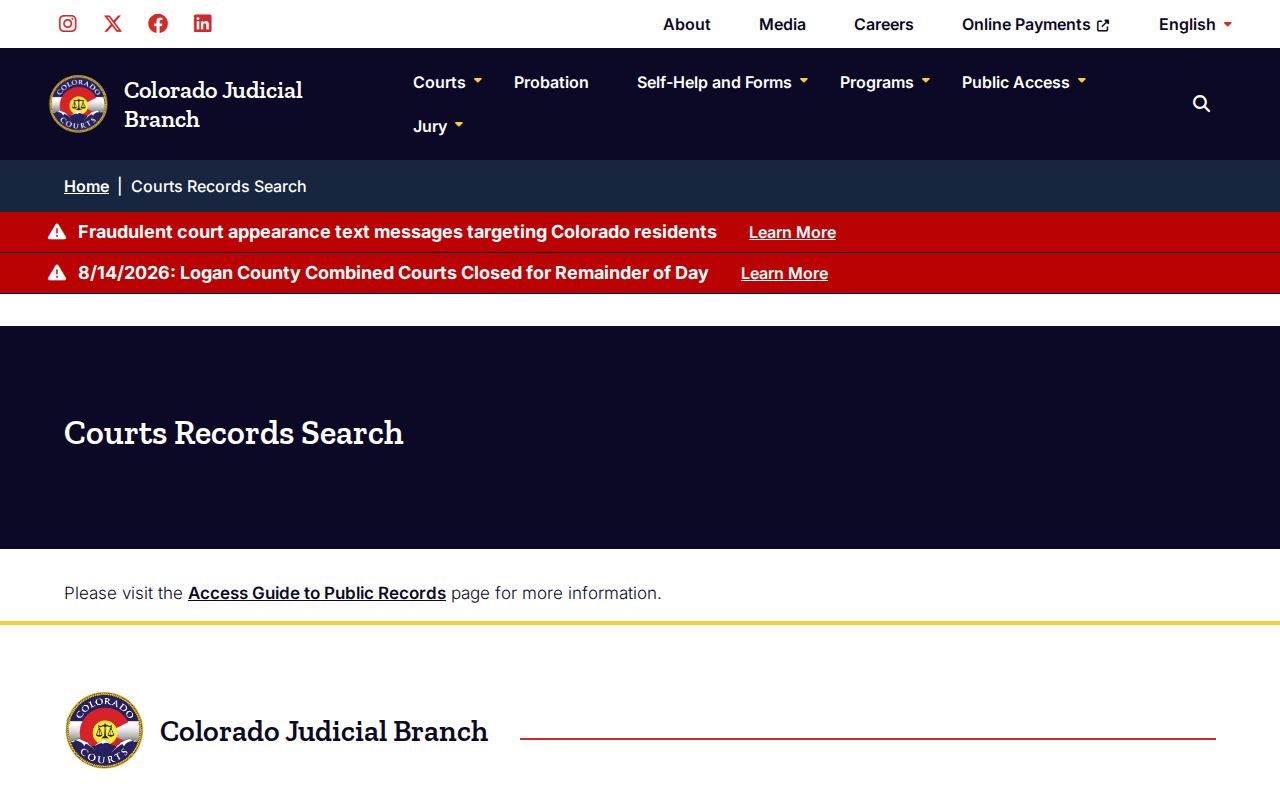
For the wider view, the Judicial Branch court-record search guidance maps out vendor searches, direct court requests, and the limits on access.
The last word on any Adams County docket belongs to the court that issued it. When vendor data and the official file part ways, the clerk's authenticated record controls.
The figures and rules cited here carry an effective date of August 14, 2026. Prices, assignments, and interfaces shift. So confirm each one at its live official source.